In recent years, Utah has taken a significant stance against flavored vapes and e-cigarette juices. This decision stems from rising concerns over underage vaping and its potential health risks. Many experts argue that flavored vapes are particularly enticing to younger demographics, making them a gateway to nicotine addiction.
Why Utah Enforced This Restriction
Utah’s lawmakers have introduced these bans as part of a broader public health strategy. The state has consistently been at the forefront of health-related regulations, striving to create a healthier environment for its residents. A major aspect of this is prohibiting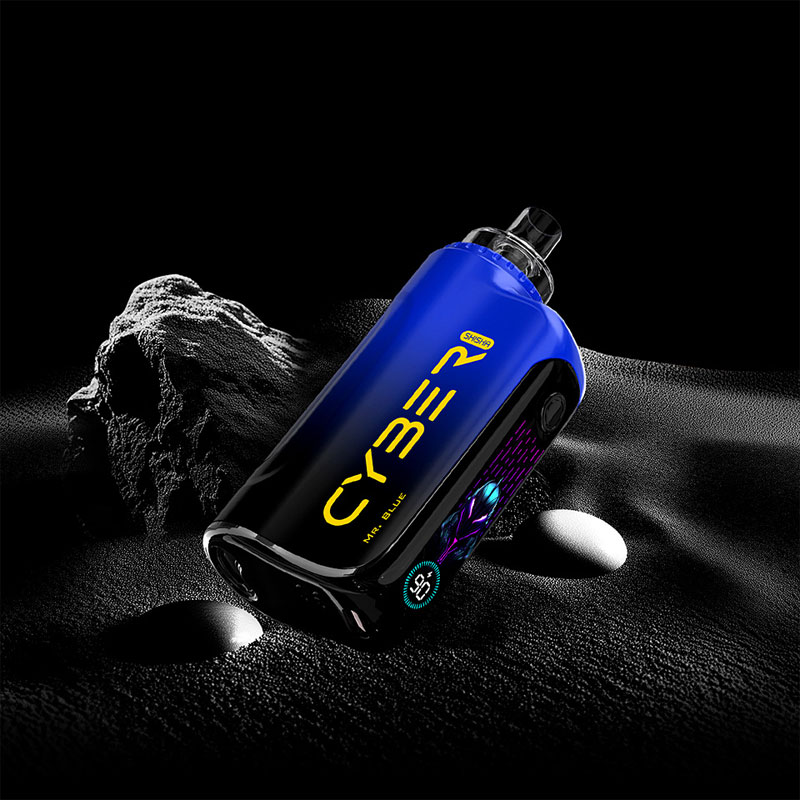 products that are particularly appealing to minors.
The flavors in question include fruit, candy-like, and menthol, which have proven popular among teens. By banning these, Utah aims to lower the rates of teenage nicotine dependence. The state’s health department reported a significant rise in e-cigarette use among high school students, leading to calls for urgent policy measures.
The Impact on Retailers and Consumers
This ban impacts both businesses and consumers. Retailers must adapt to these changes by ensuring that their products comply with the new regulations. This means a shift in inventory and possibly financial adjustments for those heavily reliant on flavored vape sales.
On the consumer front, particularly adult vapers, this could mean transitioning to tobacco flavors or searching for alternate nicotine delivery systems. Some argue this could push consumers to purchase products online, potentially from unregulated sources.
Criticism and Support
There are divided opinions on this move. Supporters claim it’s a necessary step to protect younger generations from a life of nicotine addiction. They argue that public health must take precedence even if it inconveniences adult consumers.
On the other hand, critics argue that adults should have the freedom to choose their vaping products, including flavored e-cigarette liquids. They suggest alternative strategies like tighter age verification processes could be more effective without restricting adult choices. This debate continues to be a hot topic in public health discussions across Utah.
National and Global Perspectives
Utah’s move is not isolated. Across the United States, various states and jurisdictions have implemented similar bans, reflecting a growing trend towards stricter e-cigarette regulations. Globally, countries like the UK and Australia have also initiated conversations and policies on flavored vaping products, driven by health concerns.
While these regulations vary in scope and intensity, the underlying motive tends to be consistent—reducing the appeal of vaping to younger demographics while managing public health outcomes.
What’s Next for Utah?
Looking forward, Utah could see further legislative measures rolled out, potentially focusing on broader e-cigarette regulation. This includes examining marketing tactics employed by vape companies and their impacts on underage use. The coming months may also reveal data that can definitively determine the ban’s effectiveness in decreasing youth vaping rates.
Frequently Asked Questions
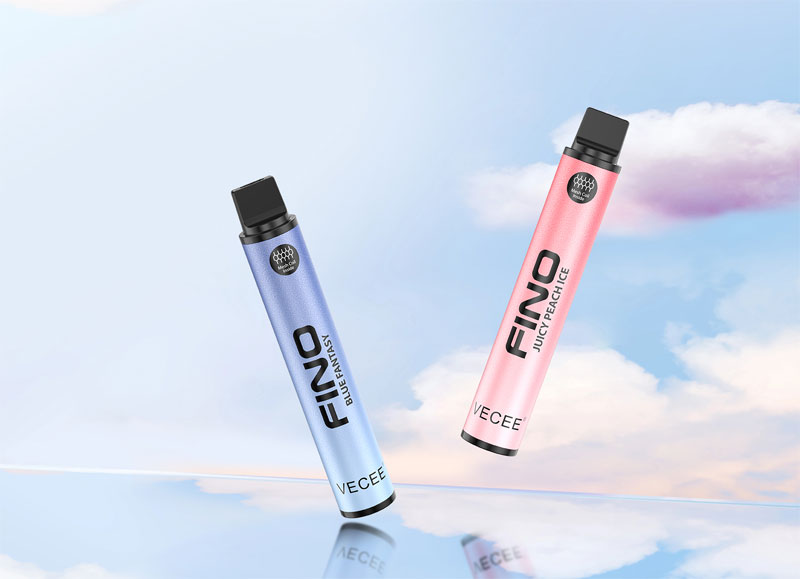
Why is flavored vape appealing to youth? Flavored vapes resemble candies and drinks, making them attractive to younger people who may not yet perceive the dangers associated with nicotine.
Will the ban affect adults who use vaping to quit smoking? While the intention is to curb underage vaping, adults looking to quit smoking might have to navigate restrictions or choose non-flavored options, potentially complicating their quit-smoking journey.
Are there any alternatives to vaping for nicotine replacement? Yes, nicotine patches, gums, and lozenges provide methods to help quit smoking, though it is best to consult healthcare professionals for personalized advice.