Exploring E-Cigarettes: Unraveling the Myth of Water Vapor
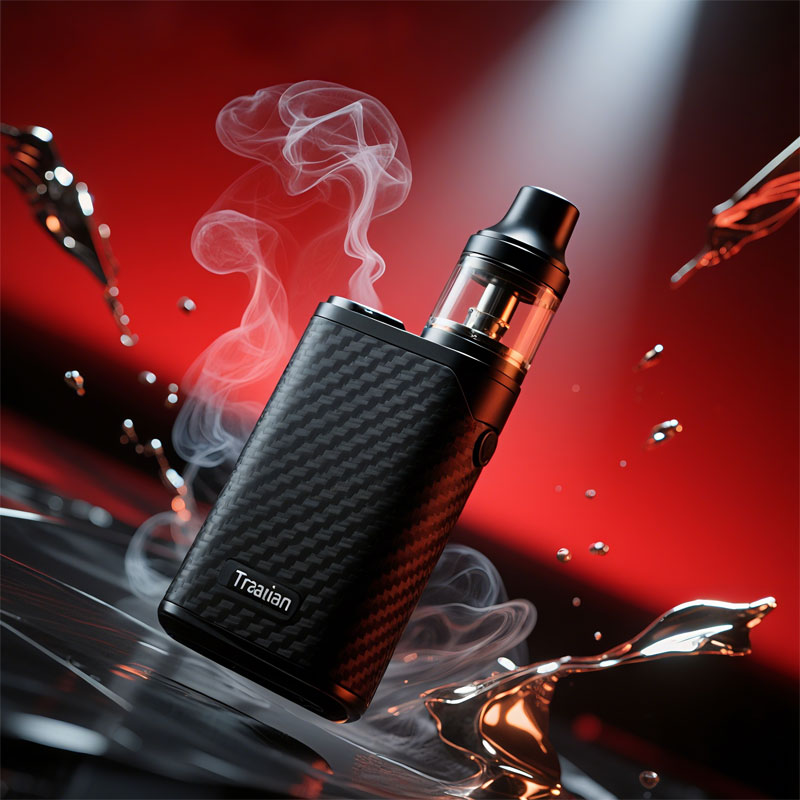
In recent years, e-cigarettes have gained tremendous popularity as alternatives to traditional tobacco products. However, there exists a common misconception that the vapor produced by e-cigarettes is merely water vapor, a harmless mist lacking any harmful components. But is this really the case? Understanding what e-cigarettes truly emit is crucial for making informed decisions about their use.
E-cigarettes work by heating a liquid solution, commonly referred to as e-liquid or vape juice, until it vaporizes. This vapor is then inhaled by the user, delivering nicotine and other substances into the body. While water is indeed a component of this vapor, it’s far from the only substance present. E-liquids contain various ingredients, most notably propylene glycol and vegetable glycerin, alongside nicotine and flavorings. These components are responsible for carrying and delivering nicotine and the flavors to the user.
The Science Behind E-Cigarette Vapor
When e-cigarettes heat the e-liquid, the vaporization process involves transforming liquid nicotine into an aerosol. This aerosol can contain freebase nicotine or nicotine salts, depending on the product. Freebase nicotine is the pure form of nicotine, while nicotine salts allow for a smoother inhale, facilitating higher concentrations of nicotine in e-liquids. This misconception arises from the visible water vapor, which is a byproduct of propylene glycol and vegetable glycerin vaporization.
Additionally, flavorings in e-liquids contribute to the chemical composition of the vapor. Many flavors are created using compounds that, when heated, might form formaldehyde, acetaldehyde, and acrolein, among other substances. Therefore, labeling e-cigarette vapor as merely water vapor overlooks the presence of these potential harmful elements. And although propylene glycol is generally regarded as safe for consumption, inhalation may have different effects, ranging from irritation to allergic reactions.
Understanding the Risks
The safety profile of e-cigarettes compared to conventional cigarettes remains a topic of debate. While they do not contain the tar or many carcinogens found in traditional cigarettes, e-cigarettes are not without risks. The long-term effects of inhaling nicotine, flavor compounds, and solvents in e-cigarettes are still being studied, casting doubt on their ultimate safety. Users should remain cautious and stay informed about the potential health impacts.

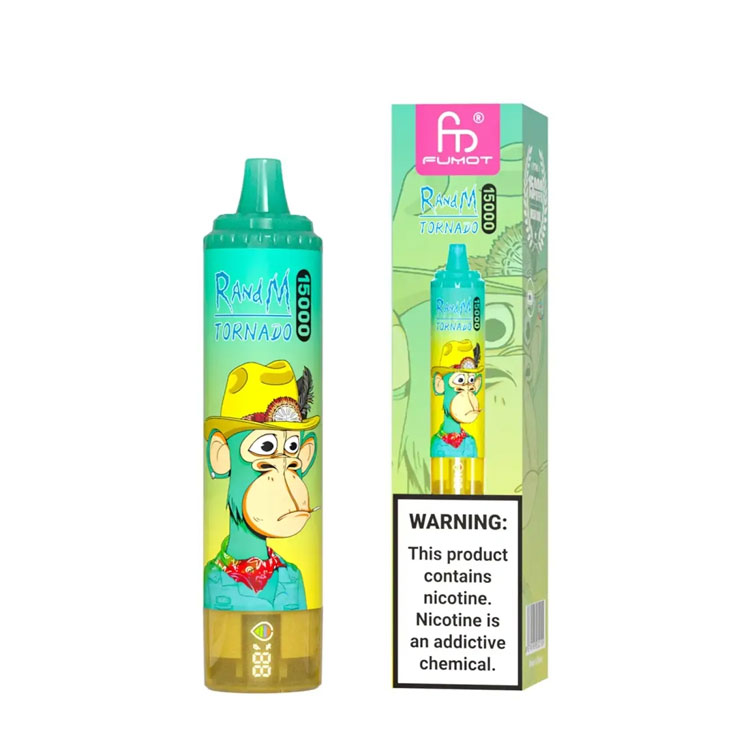
This highlights the need for ongoing research to fully assess the health implications associated with vape tobacco products. The aerosol generated should be critically considered rather than naïvely assumed as harmless.
Is it Just Water Vapor? Dispelling the Myth
Ultimately, suggesting that e-cigarettes emit merely water vapor is an oversimplification that doesn’t account for the nature and complexity of the e-liquid’s ingredients. Given the presence of nicotine, solvents, and flavor compounds, e-cigarettes generate an aerosol that is more complex than water vapor alone.
FAQ
- Is inhaling e-cigarette vapor safer than smoking traditional cigarettes?
- E-cigarettes are generally considered less harmful than traditional tobacco products, lacking the tar and many known carcinogens found in regular cigarettes. However, they are not harmless, and research into their long-term effects is ongoing.
- What substances are found in e-cigarette vapor?
- The vapor contains nicotine, propylene glycol, vegetable glycerin, and flavor additives. Potentially harmful compounds can form when these chemicals are vaporized.
- Can e-cigarettes help with quitting smoking?
- Some individuals use e-cigarettes as a cessation tool, but their effectiveness varies. Consulting with a healthcare professional can provide guidance tailored to individual needs.
Considering the composition of vape products is crucial for consumers seeking alternatives to smoking. As e-cigarettes continue to evolve, understanding the complexities behind their emissions can aid in making informed decisions.