In recent years, the debate around the safety of e-cigarettes compared to traditional tobacco cigarettes has intensified. While proponents of e-cigarettes argue that they are a less harmful alternative, critics caution about their long-term health impacts. Exploring how e-cigarettes may affect one’s health versus regular cigarettes is crucial to understand whether switching might be beneficial or detrimental.
Understanding E-Cigarette Composition
E-cigarettes, sometimes known as vapes, use liquid nicotine that is vaporized to be inhaled. This vaping liquid generally contains nicotine, propylene glycol or glycerin, flavorings, and other chemicals. Unlike smoking traditional cigarettes, e-cigarettes don’t involve combustion, thereby potentially reducing exposure to many harmful substances found in tobacco smoke, such as tar and carbon monoxide.
Chemical Exposure: E-Cigarettes vs. Cigarettes
One key consideration is the chemicals involved. Traditional cigarettes contain a cocktail of over 7,000 chemicals, of which at least 69 are known carcinogens. E-cigarettes reduce the number of these harmful chemicals; however, they still expose users to substances like formaldehyde and acrolein, particularly if used at high temperatures. Studies have found that some vaping devices may produce levels of toxic exposure comparable to smoking tobacco, raising concerns about their long-term safety.
The Health Impacts: A Comparative View
While it’s clear that traditional tobacco smoking can lead to a range of serious health issues, including cancers, respiratory diseases, and cardiovascular problems, the health impacts of e-cigarettes are still being studied. Potential risks of e-cigarette use include lung injury, cardiovascular problems, and nicotine addiction. The emergence of e-cigarette or vaping-associated lung injury (EVALI) has raised alarms about the safety of these devices.
Moreover, the addictive potential of nicotine present in both forms cannot be understated. Young users are particularly at risk, as early exposure can lead to intense addiction and potentially act as a gateway to traditional cigarette use.
Social and Behavioral Impact
Social behaviors associated with e-cigarettes have sparked concerns as well. The appealing flavors and modern device appearances make e-cigarettes particularly enticing to younger demographics, potentially fostering nicotine addiction at an age when individuals are more susceptible to such habits. Furthermore, public perception tends to underplay the risks associated with vaping compared to smoking, potentially leading to increased use among teens who might otherwise not smoke.
Environmental Considerations
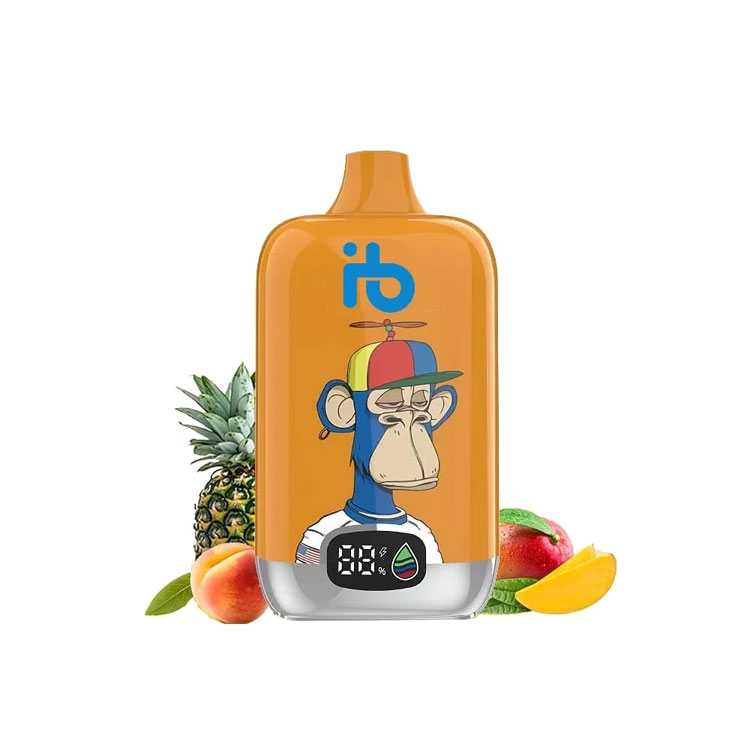
Unlike traditional cigarettes, which produce butt waste that is environmentally detrimental, e-cigarettes bring about new environmental issues. The disposable nature of some vaping products, coupled with battery disposal, adds a layer of environmental concern that needs addressing. Both types have different environmental footprints, which complicates the broader discussion of harm.

Regulation and Research
Regulatory bodies worldwide grapple with effectively managing this burgeoning e-cigarette market, balancing the potential benefits as smoking cessation tools against potential public health risks. Continued research is essential to draw firmer conclusions about the safety of e-cigarettes and ensure that population-wide health improvement goals are met.
Frequently Asked Questions
Are e-cigarettes safer than regular cigarettes?
While e-cigarettes contain fewer toxic chemicals than regular cigarettes, they are not without risk. The long-term effects are still unknown, and they can still cause health issues.
Can vaping help you quit smoking?
Some studies suggest vaping might assist with traditional smoking cessation, but it can also lead to continued nicotine addiction. Consultation with healthcare providers is recommended.
Is second-hand vapor harmful?
Second-hand vapor from e-cigarettes contains aerosol and various compounds that can be harmful, notably to children and individuals with respiratory conditions.