DIY Guide: Learn How to Make E Cigarette Liquid Step by Step
Are you interested in understanding how to make e cigarette liquid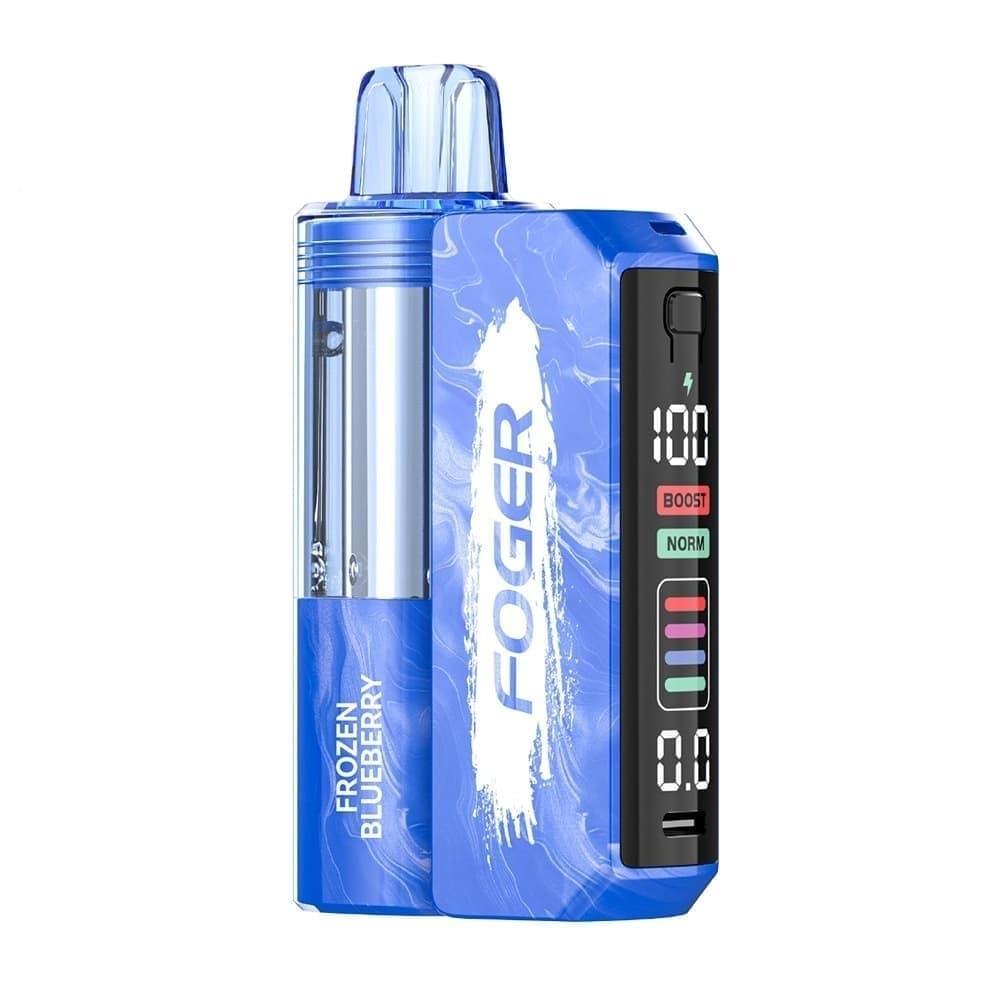 at home? Whether you are looking for cost efficiency, flavor customization, or simply the satisfaction of crafting your own vape juice, creating homemade e-liquid can be an exciting and rewarding process. This comprehensive guide is designed to instruct both beginners and experienced enthusiasts on the precise steps and considerations essential for making high-quality e-cigarette liquid from scratch. We’ll cover the essential ingredients, safety measures, equipment needed, flavor blending, nicotine handling, and provide expert tips to help you master the art of DIY e-liquid.
Understanding E-Liquid Components
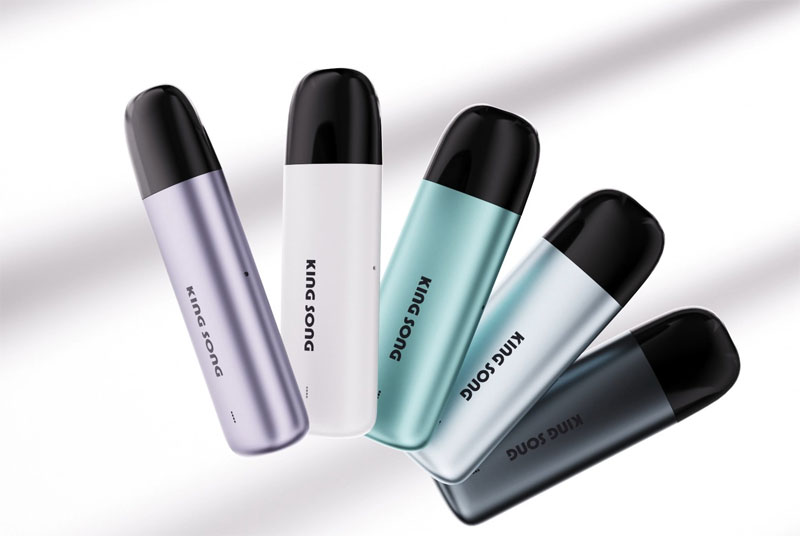
- Propylene Glycol (PG): A colorless, odorless liquid responsible for carrying flavor and providing the “throat hit” that closely mimics smoking.
- Vegetable Glycerin (VG): Thicker than PG, VG is responsible for vapor production and delivers a smooth inhale, which is preferable in sub-ohm vaping.
- Nicotine: Optional. Pharmaceutical-grade nicotine is used if you prefer your e-liquid to contain nicotine. Always handle with extreme caution.
- Flavor Concentrates: Food-grade flavorings, specifically made for vaping, are necessary for taste. Never use essential oils or non-vape flavors.
Essential Equipment & Safety Precautions
Before diving into how to make e cigarette liquid, gather the following tools:
- Protective gloves and eyewear
- Syringes or graduated cylinders for measuring (preferably 1mL, 5mL, and 10mL sizes)
- Dropper bottles (child-proof, as safety is key) – typically 15 to 120mL
- Labels and markers for marking batches and strengths
- A precision digital scale (optional but highly recommended for accuracy)
- Pipettes for flavorings
Safety first: Always work in a well-ventilated area. Keep all ingredients—especially nicotine—out of reach of children and pets. Always wear gloves and glasses. Any spillages, especially of nicotine or flavor concentrate, must be cleaned immediately to avoid skin absorption or contamination.
The Basic Formula for E-Liquid
The calculation of your e-liquid recipe is based on the desired volume and PG/VG ratio:
- Typical ratios: 50/50 (PG/VG) for standard vaping, 70VG/30PG for sub-ohm clouds, or 100% VG for a smoother, thicker experience.
- Nicotineless e-liquid includes only PG, VG, and flavoring. Nicotine users will add it at their desired strength, commonly measured in mg/mL.
Step-by-Step Process: How to Make E Cigarette Liquid
- Decide the Quantity: Determine the amount (e.g., 30mL batch) and desired nicotine strength (e.g., 3mg, 6mg, or without nicotine).
- Calculate Ingredients: Utilize an online e-liquid calculator for precise measurements. Input your chosen PG/VG ratio, nicotine concentration, and percentage of flavoring (commonly 8-15% of total volume, but varies based on flavor strength).
- Measure Nicotine First: Add the exact amount needed using a dedicated syringe or pipette. Mix very carefully. Never touch pure nicotine with your skin.
- Add Flavors: Use fresh pipettes for each flavor if you’re blending. Mix thoroughly for balanced taste.
- Add PG/VG: Pour in the calculated amounts, starting with PG then adding VG. Shake the mixture gently to combine all ingredients evenly.
- Final Mixing:
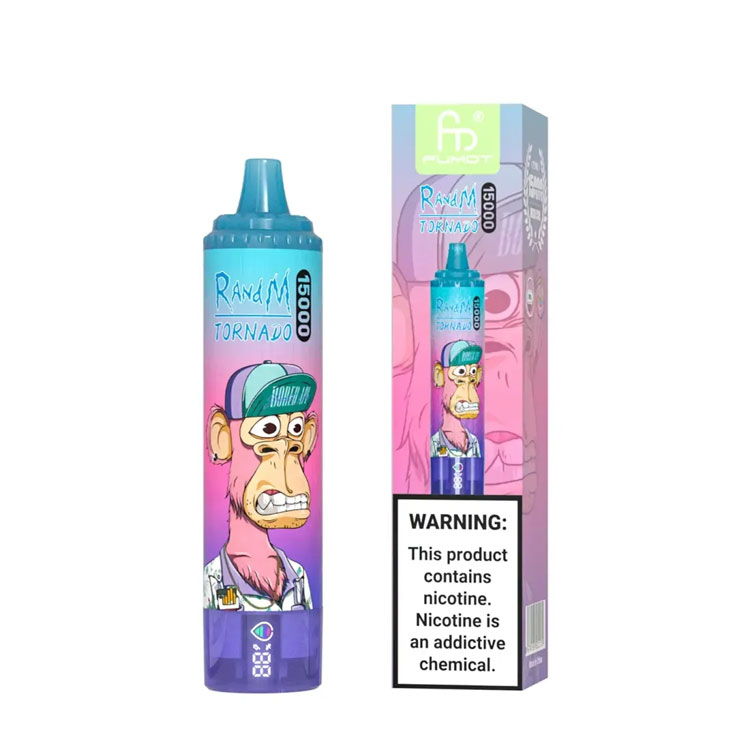 Secure the dropper bottle cap and shake vigorously for a solid minute. Some vapers use a magnetic stirrer for best results.
 - Steeping: Allow the mixed e-liquid to rest in a cool, dark place for several days (anywhere from 2 to 14 days depending on flavor and nicotine content). Shake daily; flavors often improve with time.
- Labeling: Mark each bottle with the date, PG/VG ratio, flavor, and nicotine level for easy reference and safety.
Customizing Your Vape Juice
One of the primary benefits of learning how to make e cigarette liquid is the ability to fine-tune the vape experience:
- Flavor Blending: Mix and match multiple concentrates to create unique profiles (think dessert, fruit, menthol, or tobacco blends).
- Nicotineless Vaping: Go 0mg for pure flavor, ideal for those who have successfully quit nicotine but enjoy the vaping sensation.
- Nicotine Strength: Adjust your mixes for pod systems (usually higher concentrations) vs. sub-ohm devices (lower mg/ml but larger puffs).
- PG/VG Tweaks: Use more PG for stronger throat hit, more VG for gentler taste and bigger clouds.
Potential Risks & Safety Insights
Handling nicotine with improper methods can be extremely dangerous. Even at low strengths, it is a toxin that can be absorbed through the skin. Always use protective gear. Additionally, only use flavorings certified for inhalation. Store all e-liquid components in clearly labeled containers and away from sunlight to maintain potency and freshness.
An Example E-Liquid Recipe
For a 30mL bottle of 6mg nicotine e-liquid in 70VG/30PG with 10% total flavor:
- Nicotine (100mg/mL in PG): 1.8mL
- PG: 6.3mL (adjust for nicotine’s PG content)
- VG: 19.8mL
- Flavor concentrates: 3mL (such as 1.5mL strawberry, 1.5mL vanilla)
Adjust these numbers for your preferred flavor intensity or device compatibility. Always keep records for future improvements or duplication.
Troubleshooting & Tips
- Overly harsh e-liquid? Reduce PG, boost VG, or lower total flavoring.
- Weak or muted taste? Increase flavor percentage slightly—but excessive flavor can dull the palate.
- Strange colors or separation? Discard the batch. Always use fresh, reputable ingredients and sterilized bottles.
- Be patient with new recipes, as steeping time can drastically improve the vape experience.
- If you’re replacing commercial e-liquids, start with single flavor recipes and move towards more complex blends as you gain confidence.
Frequently Asked Questions about DIY E Cigarette Liquid
- Is it legal to make my own e-cigarette liquid?
- Laws vary by region. In most places, creating e-liquids for personal use is allowed, but always ensure you are following local guidelines and using ingredients safely.
- Can I substitute regular food flavorings?
- No, only use flavors specifically designed and tested for vaping. Standard food flavorings may contain oils or additives unsafe for inhalation.
- How do I safely dispose of unused nicotine or failed batches?
- Nicotine is hazardous waste. Do not pour it down the drain; follow local disposal regulations, or bring it to a hazardous waste facility.
- How long does DIY e-liquid last?
- When stored in a cool, dark place and tightly sealed, most homemade e-liquids last up to 1 year. Always check for color, smell, and taste before use.
Conclusion
Making your own e-cigarette liquid offers creative freedom, potential cost savings, and an opportunity to enjoy customized flavors that best suit your preferences. By following safety guidelines, accurately measuring your ingredients, and experimenting patiently, you can master how to make e cigarette liquid and elevate your vaping experience to a whole new level. Always prioritize safety and quality—happy mixing!