Who Created E Cigarettes: Exploring the Inventor and Journey of E-Cigarettes
When investigating the question who created e cigarettes, one must explore both the technological origins and the socio-cultural shifts that contributed to electronic cigarettes becoming a global phenomenon. The world of smoke-free nicotine delivery systems has undergone dramatic changes in the last two decades, but the breakthrough invention remains rooted in the vision of one man: Hon Lik. This page delves deep into the pioneering inventor, the timeline of e-cigarette development, their impact on society, and key facts every vaping enthusiast should know.
The Birth of the E-Cigarette: Hon Lik’s Vision
It was Hon Lik, a Chinese pharmacist, who answered the call for a safer alternative to traditional cigarettes in 2003. Hon Lik’s father had died of lung cancer—an event which motivated him to invent a nicotine delivery device that did not rely on combustion. Using his background in medicine and electronics, Hon Lik created the first commercially viable electronic cigarette. This compact device utilized a piezoelectric ultrasonic atomizer, allowing the user to inhale vaporized, nicotine-infused liquid rather than smoke from burning tobacco—a revolutionary concept for the time.
Prior Attempts and Early Inspiration
While researching who created e cigarettes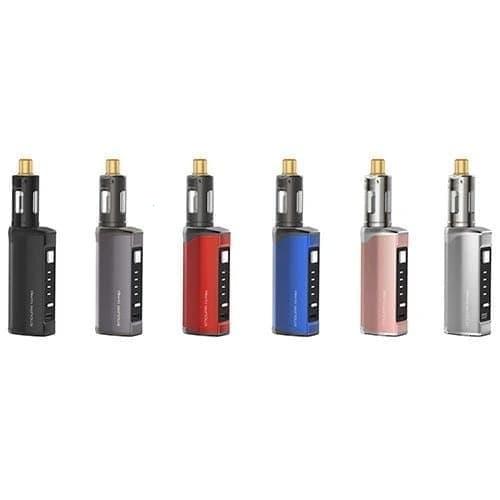 , it’s notable that the quest for safer alternatives was not exclusive to Hon Lik. Historical patents and prototypes date back to the 1960s, when Herbert A. Gilbert developed a “smokeless non-tobacco cigarette”—but his design never achieved commercial success. Only with technological advancements in miniaturization and battery power did Hon Lik’s invention lead to the modern e-cigarette, ushering in widespread consumer adoption.
From China to the World: E-Cigarettes Go Global
After Hon Lik patented his invention in China, companies quickly seized the opportunity to launch production on a massive scale. By 2004, Ruyan was marketing electronic cigarettes in Chinese stores, and international interest soared. Western consumers encountered e-cigarettes in 2006, following entries into the European and North American markets. Today, awareness of who created e cigarettes is inseparable from the story of global tobacco harm reduction and the vaping industry’s rapid evolution.
How E-Cigarettes Work: Principle and Impact
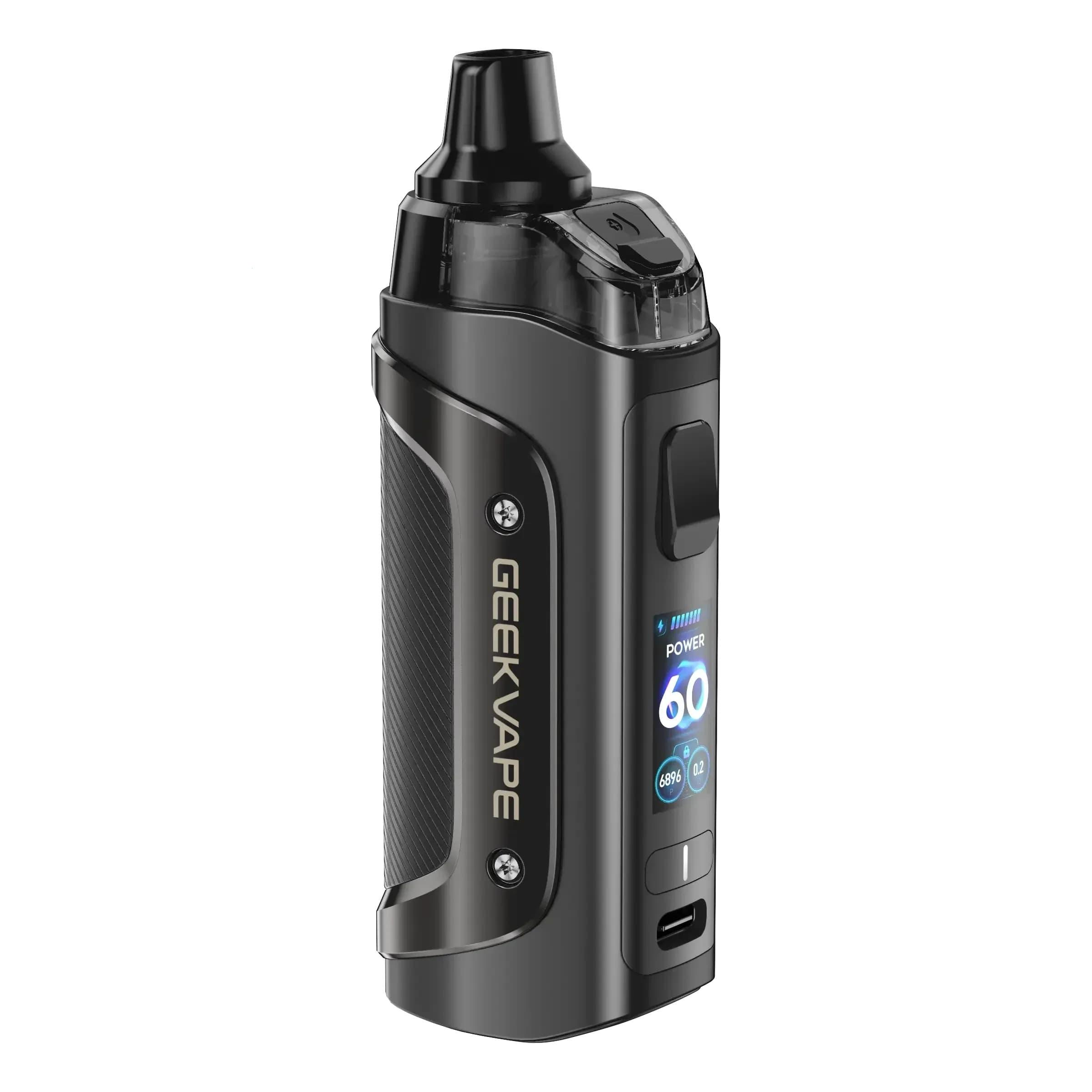
The technology behind e-cigarettes centers on the vaporization of nicotine solutions. Through a heating element known as the atomizer, e-liquid is converted into an aerosol, which users inhale. The absence of smoke, carbon monoxide, and tar distinguishes vaping from conventional smoking. Nevertheless, scientific research continues to investigate the long-term safety and implications of vaping. Understanding who created e cigarettes helps consumers appreciate both the ingenuity and the ongoing debates surrounding new alternatives.
Key Milestones in E-Cigarette History
- 2003: Hon Lik develops and patents the electronic cigarette.
- 2004: First mass-produced e-cigarettes launch under the brand Ruyan.
- 2006–2007: E-cigarettes debut in Europe and the U.S., igniting debate among regulators and health experts.
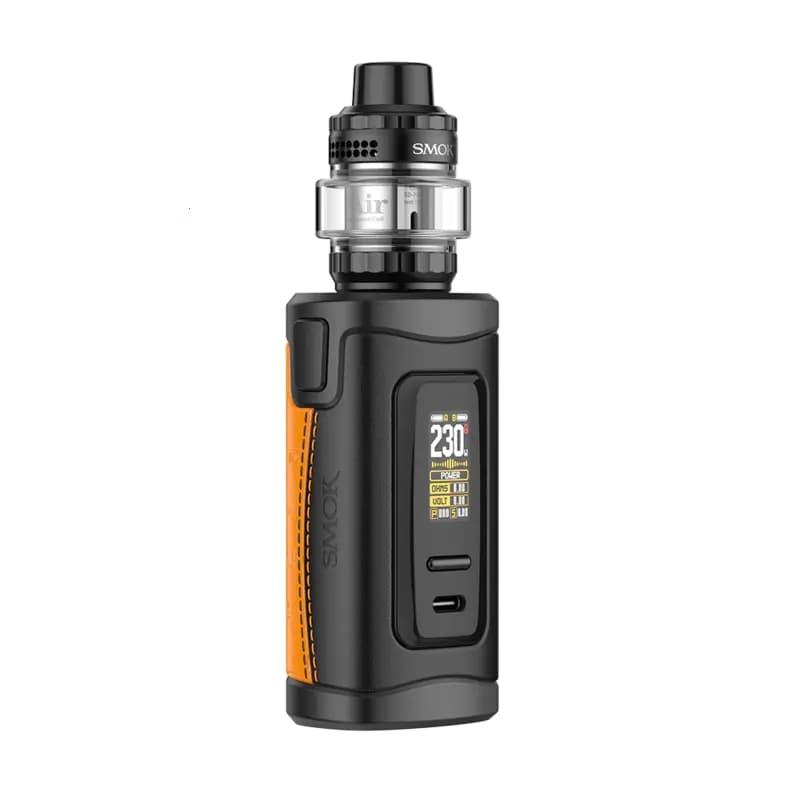
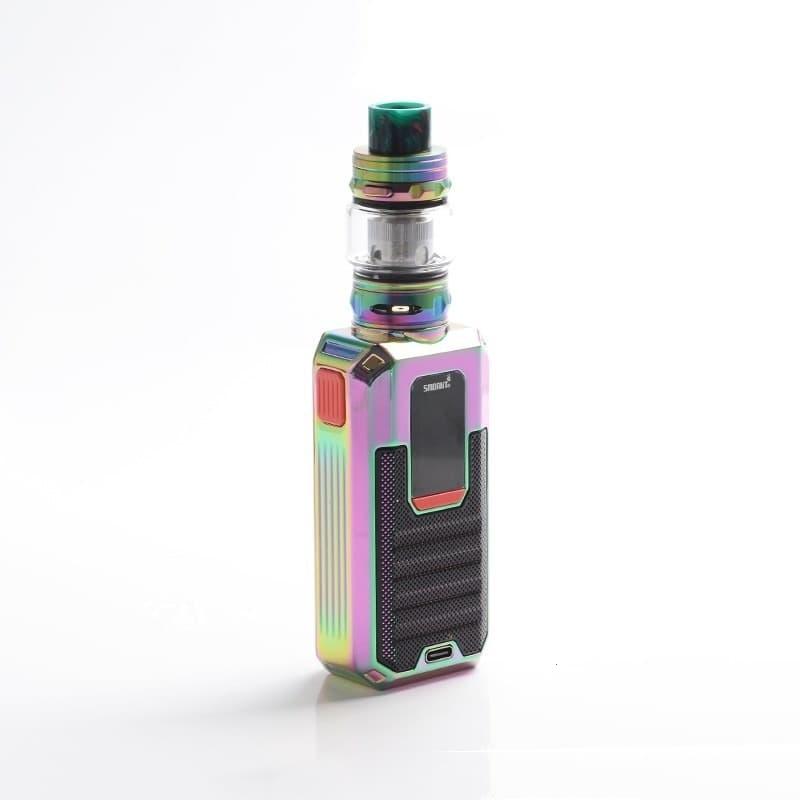
- 2010s: Rapid innovation introduces customizable mods, flavored e-liquids, and increased consumer diversity.
- 2020s: Ongoing legislative and health science research continue to shape the future of vaping.
FAQ
- Who invented the first modern e-cigarette?
- Hon Lik, a Chinese pharmacist, is credited with inventing and patenting the first commercially viable electronic cigarette in 2003.
- Are e-cigarettes safer than smoking?
- While e-cigarettes eliminate many harmful byproducts of combustion, research is ongoing. Most experts agree they reduce exposure to toxic chemicals compared to traditional cigarettes, but some uncertainties remain.
- What were the early attempts prior to Hon Lik’s e-cigarette?
- Herbert A. Gilbert patented a smokeless cigarette in 1965, but it was not widely adopted. Hon Lik’s design marked the turning point for practical, marketable vapor devices.
For more details on who created e cigarettes and ongoing regulatory developments, visit authoritative public health sources and keep updated with industry news.