Understanding the Core Reasons for Thailand’s Ban on E-Cigarettes
Thailand’s prohibition on e-cigarettes has sparked global conversations and left many travelers and vaping enthusiasts searching for clear answers. The underlying reasons behind the Thailand e-cigarette ban are complex, stemming from public health concerns, regulatory gaps, and cultural preservation. In this article, we will thoroughly examine the motivations behind the restriction, evaluate scientific and social perspectives, and break down its implications for locals and tourists alike.
Health Concerns Fueling the Thailand E-Cigarette Ban
One primary reason for the national ban is to safeguard public health. Thai health officials frequently cite research that suggests vaping is not harmless, despite being marketed internationally as a less harmful alternative to smoking. Among the chief worries is the potential for young people to become addicted to nicotine, with flavored e-liquids especially appealing to teenagers. The Ministry of Public Health has consistently highlighted that e-cigarettes may serve as a gateway to traditional cigarette use, increasing the rate of nicotine dependency in the population. This perspective is grounded in a variety of international studies, some of which argue that the long-term effects of vaping are still poorly understood.
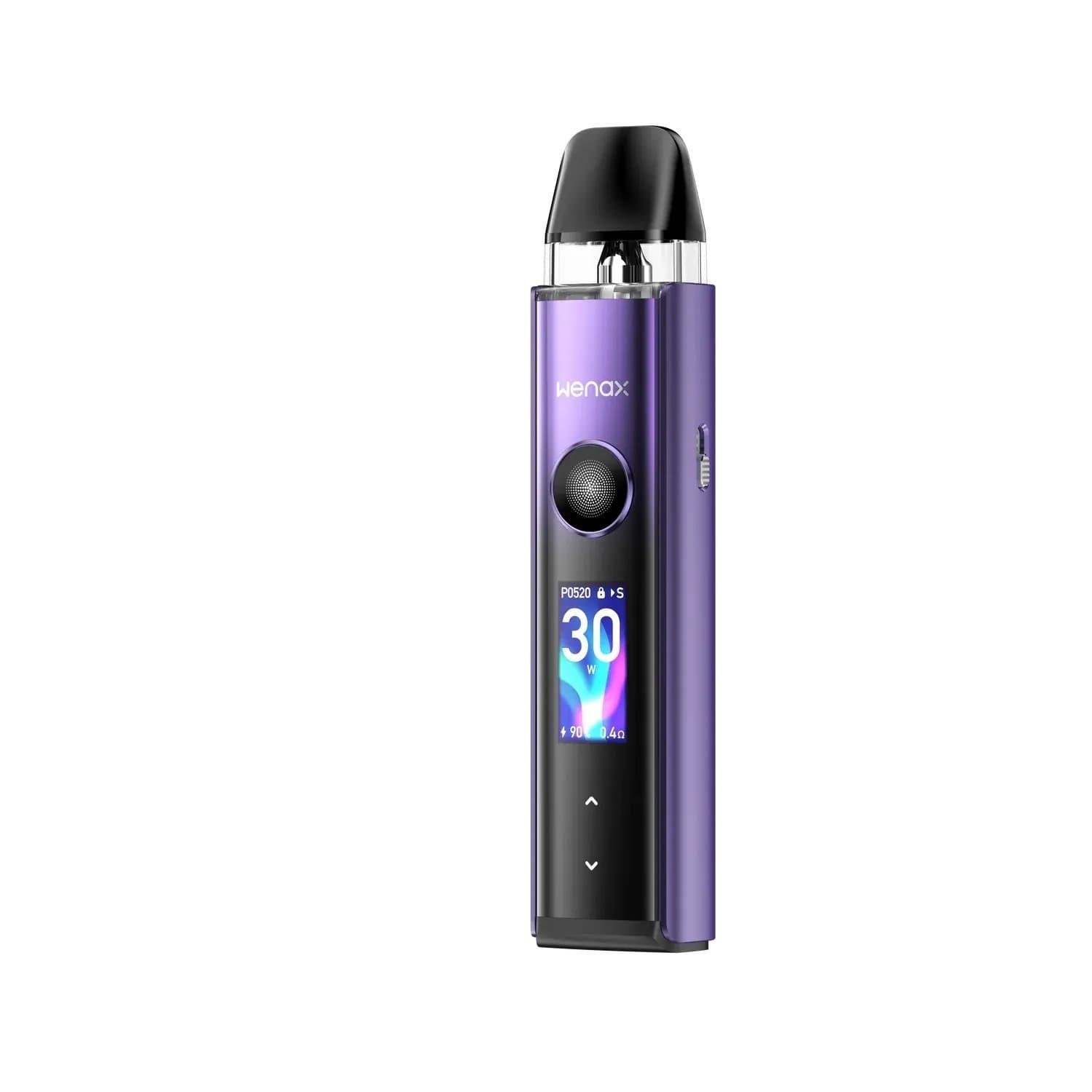
Regulatory and Legal Considerations: Thailand’s Policy Response
Another factor in the ban stems from the regulatory landscape. Thailand has strict controls on tobacco products and has joined international efforts, such as the WHO Framework Convention on Tobacco Control, to curb smoking rates. However, the rapid emergence of e-cigarettes presented regulatory challenges: e-liquids frequently contain unregulated ingredients, and manufacturers have exploited loopholes in labeling and importation practices. The government responded by implementing an outright ban as a precautionary measure to protect consumers from potentially dangerous or mislabeled products. This approach aligns with other nations that initially restrict new tobacco-related technologies until more comprehensive studies are available.
Economic and Tourism Impacts: The Ban’s Broader Reach
Thailand is a major international destination for travelers across the world, and the ban on e-cigarettes has significant economic implications. Customs officers routinely confiscate vaping devices, and violations can result in hefty fines or jail time. Many tourists, unaware of the Thailand e-cigarette ban reasons, face legal trouble and disrupted trips. The government maintains that this tough stance supports health objectives but also stresses the importance of communicating these rules to tourists. Local businesses have been affected as international vape brands and related shops are forced to close or shift focus to legal products.
Contrasting Global Approaches to E-Cigarettes
While Thailand remains resolute in its restrictions, other countries have adopted different stances. The UK, for example, embraces vaping as a tool for smoking cessation, and New Zealand regulates e-cigarettes under strict guidelines to protect youth. Thailand stands apart primarily due to its combination of health, social, and regulatory drivers. The ban is not merely a reaction to current health risks but also a reflection of a long-term strategy to keep nicotine addiction rates low and retain strict oversight on emerging tobacco products.

What Should Tourists Know About Vaping in Thailand?

Travelers to Thailand should strictly avoid bringing e-cigarette devices and liquids into the country. The official stance is unambiguous: possession, import, or use of vaping equipment is illegal and can result in prosecution. Government websites, embassies, and travel advisories consistently urge visitors to comply with local laws to avoid penalties. As part of a broader effort to curb all forms of smoking and vaping, Thailand also enforces prohibitions in public spaces and other tobacco control measures, ensuring that its population and visitors remain aware of the health priorities driving the ban.