Understanding E-Liquid and Its Components
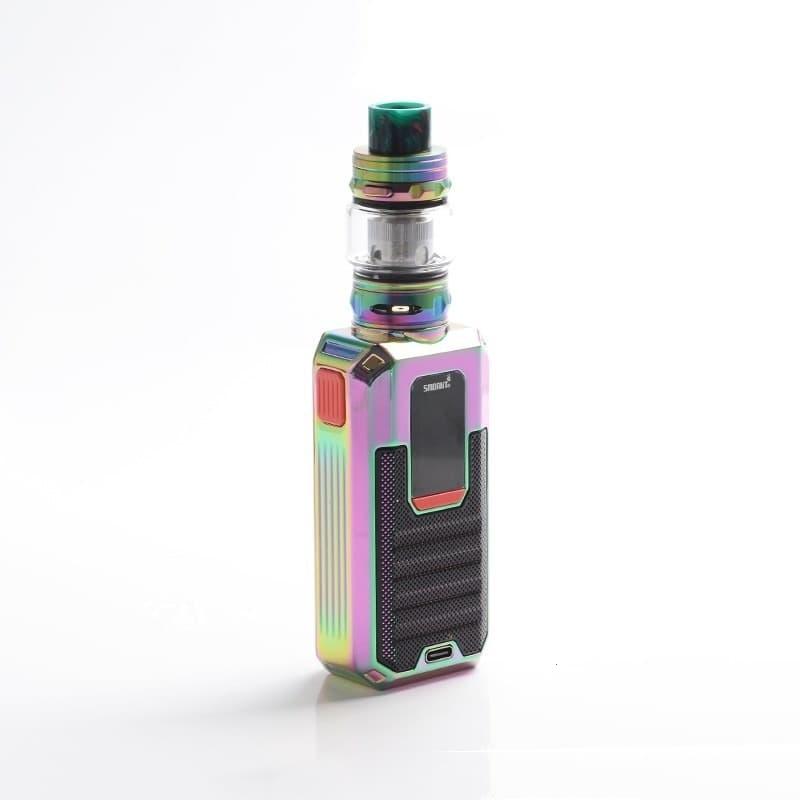
As vaping continues to rise in popularity, many individuals seek to understand what exactly is contained within the substances they are inhaling. E-Liquid, also known as vape juice, forms the essential medium used in electronic cigarettes. It commonly comprises propylene glycol, vegetable glycerin, nicotine, and flavorings. However, beyond these primary ingredients lies a complex chemical landscape that deserves scrutiny, particularly regarding potential carcinogens.
What Are the Cancer Causing Chemicals in E Cigarettes?
Electronic cigarettes, although often marketed as safer alternatives to traditional tobacco smoking, are not without risks. Extensive studies have identified several harmful chemicals within both the vapor and E-Liquid itself. Key carcinogens include formaldehyde, acrolein, acetaldehyde, and benzene, all of which have established roles in cancer development when chronic exposure occurs.
Formaldehyde: The Silent Threat
Formaldehyde, a known human carcinogen classified by the International Agency for Research on Cancer (IARC), can be produced during the heating process of E-Liquid in e-cigarettes. While present in small quantities, the process of vaporizing propylene glycol and glycerin at high temperatures generates formaldehyde-releasing agents, which may induce DNA damage and contribute to cancer risk.
Acrolein and Other Aldehydes
Acrolein, another aldehyde found in e-cigarette vapor, results from the thermal decomposition of glycerol. Besides its irritant effects on respiratory tissues, acrolein has potent mutagenic properties, complicating lung health for chronic users. Acetaldehyde, similarly, is linked to both respiratory irritation and carcinogenic potential—though its concentrations in vapor are generally lower than traditional cigarette smoke.
Nicotine and Its Indirect Role in Carcinogenesis
Though nicotine itself is not classified as a carcinogen, it can possibly promote tumor growth through angiogenesis and inhibition of apoptosis. Moreover, high nicotine content in E-Liquid may contribute to increased exposure to harmful chemicals as users vape more frequently or intensively to satisfy cravings.
Additional Chemicals With Potential Risks

Beyond aldehydes, other constituents are found in trace amounts in e-cigarette vapor, including heavy metals such as lead, cadmium, and nickel. These metals originate from the heating coils and device components, raising concerns about long-term inhalation risks. While these are present in lower concentrations than combustible cigarette smoke, cumulative exposure remains a worry for frequent users.
Understanding The Variability Across Different E-Liquid Brands
It is important to note that the concentration and presence of harmful chemicals can vary widely among E-Liquid brands and flavor profiles. Some flavoring additives may become harmful when heated, releasing toxic compounds not originally present in the unheated liquid. Consequently, regulatory oversight and standardized testing are crucial for mitigating risks.
Regulatory Perspectives and Safety Measures
Public health agencies increasingly recommend caution among users, emphasizing that while e-cigarettes might aid smoking cessation for some, they are not risk-free. Regulatory frameworks are evolving to establish maximum allowable levels of contaminants, proper labeling, and ingredient disclosures to protect consumers from unexpected carcinogenic exposures.

Frequently Asked Questions (FAQ)
Is vaping safer than traditional smoking in terms of cancer risk?
While vaping generally produces fewer harmful chemicals compared to traditional tobacco smoking, E-Liquid and e-cigarettes still contain substances capable of causing cancer. The reduced exposure does not entirely eliminate cancer risk, especially with long-term use.
Can flavorings in E-Liquid increase cancer risks?
Certain flavorings, particularly those involving diacetyl and cinnamaldehyde, may release harmful compounds when heated, potentially raising carcinogenic risks. More research is ongoing to fully understand the impact of various flavor additives.
Are all e-cigarettes equally harmful?
The harm depends on the product quality, ingredients, user behavior, and device settings. Lower quality devices and liquids may contain higher levels of contaminants and carcinogens.