When it comes to e cigarette battery types, the variety can be daunting for both beginners and experienced users alike. The battery is a crucial component of any e-cigarette as it powers the device, ensuring an optimal vaping experience. Understanding the different types of batteries available can help users select the most suitable one for their specific needs. In this article, we will explore various e-cigarette battery types, focusing on their features, advantages, and limitations.
1. Integrated vs. Replaceable Batteries
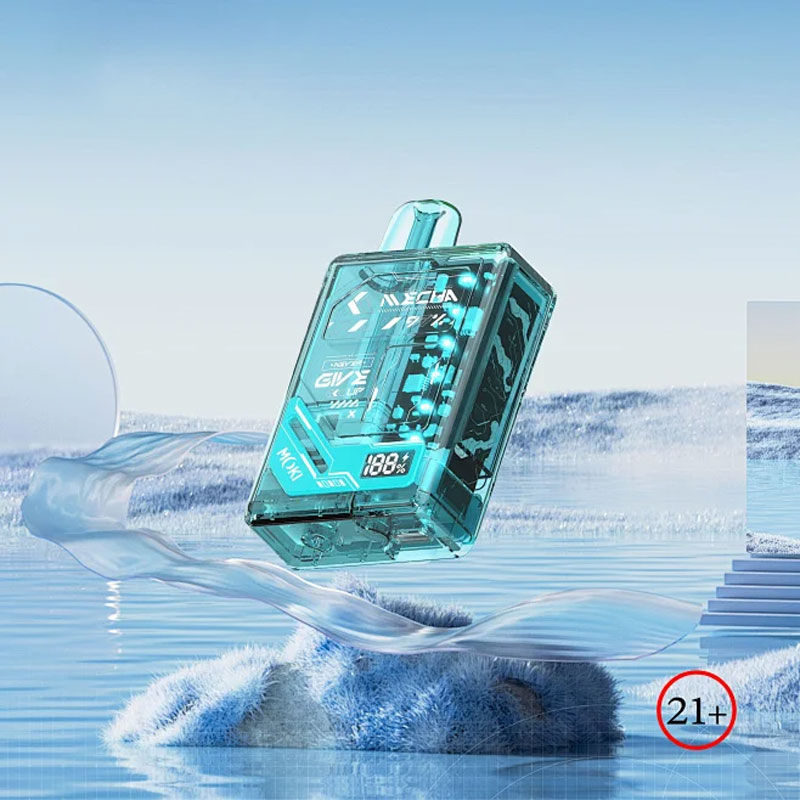
Most e-cigarettes are equipped with either integrated or replaceable batteries. Integrated batteries are built into the device and cannot be removed. These types tend to be user-friendly and are often found in beginner-level vape kits. They typically come with a USB charging port, making recharging convenient. However, once the battery’s lifespan ends, the whole device needs replacement.
On the other hand, replaceable batteries offer more flexibility. As these can be removed and replaced, vapers can keep spare batteries charged and ready to use. This is ideal for heavy users who do not want to wait for their device to recharge. Moreover, device lifespan is extended since only the batteries need replacing.
2. Battery Sizes and Their Impact
Batteries come in various sizes, usually denoted by their numerical identifiers such as 18650, 20700, and 21700. 18650 batteries are the most common and versatile, suitable for a wide range of mods and vaping styles. They provide a satisfactory balance between capacity, size, and output. 20700 and 21700 batteries are larger and typically offer higher capacities, which is beneficial for advanced setups and longer vaping sessions.

Choosing the right size depends significantly on personal preferences and the specific setup of the vaping device. Larger batteries deliver more power but also add weight and bulk, which may not be ideal for those seeking a compact device.
3. Battery Chemistry: IMR, ICR, and INR
Batteries differ not only in terms of size but also in their chemistry, which affects performance, safety, and output. The three most common chemistries are IMR (Lithium Manganese Oxide), ICR (Lithium Cobalt Oxide), and INR (Lithium Nickel Manganese Cobalt Oxide).
IMR batteries are known for their high safety profiles and are widely recommended for vaping due to their ability to handle high discharge rates. ICR batteries, while having a higher capacity, are used less due to safety concerns regarding high current demands. INR batteries are a balance between the two, offering the safety of IMR and the capacity of ICR, making them popular among vapers who prioritize both power and safety.
4. Safety Considerations for E-Cigarette Batteries
Ensuring the safety of your vaping device is critical. This starts with understanding the limits and safe practices for battery use. Always use the recommended batteries for your device and avoid mixing different brands or types.
Additionally, using a quality charger and taking care of the batteries is essential. Never overcharge or completely drain them, as this can shorten their lifespan and increase safety risks. Moreover, invest in battery cases to protect spare batteries from physical damage and short circuits.
Conclusion
Understanding the different e cigarette battery types helps you optimize your vaping experience by balancing power, safety, and convenience. Whether you prefer an integrated or replaceable battery, the most crucial factor is your specific needs and vaping habits.
FAQs
What battery is best for cloud chasing?
For those interested in cloud chasing, go for high-drain batteries like the 18650 that support high wattage output.
Are integrated batteries less powerful?
Not necessarily. Integrated batteries can deliver substantial power, but they may not offer the longevity and flexibility of replaceable ones.
Why is battery safety important?
Battery safety ensures that your device functions correctly and prevents hazards like short circuits or overheating, making it crucial for a secure vaping experience.