Practical guidance for retail operators: understanding risks and managing safer options
Owning and operating a retail venue that sells nicotine devices requires more than merchandising expertise; it demands a clear grasp of product safety, customer communication, and regulatory awareness. This detailed guide is designed specifically for owners of independent and chain vape shops who want an actionable, evidence-informed roadmap to reduce exposure to e‑cigarette related hazards and make smarter inventory and counseling choices. Throughout this resource you’ll find clear explanations about common contaminants, practical ways to evaluate suppliers, techniques to communicate risk to customers, and strategies to promote less harmful alternatives. The central themes revolve around contaminant awareness, inventory curation, staff training, and community trust-building.
Key contaminants to recognize: what the science is showing
Recent research and chemical analyses have identified a set of compounds associated with inhalation toxicity and potential carcinogenicity in some e‑cigarette liquids and aerosols. While the evidence base continues to evolve, being proactive as a retailer means understanding which types of chemicals to watch for and how formulation, device temperature, and user behavior influence aerosol chemistry.
- Formaldehyde, acetaldehyde, and acrolein: These carbonyl compounds can form through thermal decomposition of propylene glycol (PG), vegetable glycerin (VG), and flavoring agents. Elevated coil temperatures and dry-wicking conditions increase formation. Retailers should be able to explain how device settings and coil maintenance affect emissions.
- Diacetyl and related diketones: Associated with bronchiolitis obliterans (the so-called “popcorn lung”), diacetyl is sometimes present in buttery, creamy or custard flavors. Sellers should scrutinize flavor suppliers’ ingredient lists and certificates of analysis.
- Nitrosamines (TSNAs): Tobacco-specific nitrosamines can occur in some nicotine-containing formulations and are potent carcinogens when present in smoke and sometimes in aerosol; manufacturers that use high-quality, purified nicotine and clean supply chains tend to show lower TSNA levels.
- Metals: Trace amounts of nickel, chromium, lead and tin have been detected in e‑cigarette aerosols, usually as a result of device hardware corrosion or poor manufacturing. Device quality control, material selection and replacement guidance can reduce risk.
- Unlisted or adulterant compounds: Illicit or poorly controlled products may contain solvent residues, pesticides, or unapproved additives. Product sourcing vigilance and refusal to carry suspect inventory lowers customer exposure.
How these hazards form: formulation, hardware and user behavior
Understanding the root causes of contaminants empowers a vape shop to advise customers intelligently and select safer stock. Three interacting factors determine aerosol chemistry: the e‑liquid formulation, the device and coil architecture, and the way a person uses the product.
- Formulation quality: Ingredients such as USP-grade propylene glycol, pharmaceutical-grade nicotine, and food-grade flavorings limit initial impurity load. Avoid products with vague ingredient lists or unverifiable claims.
- Device engineering: Sub-ohm devices, high-power mods, and poor wicking setups can push coil temperatures up, increasing production of carbonyls. Devices using ceramic or high-quality stainless steel and stable wicking material tend to be more predictable.
- Usage patterns: Long continuous draws, chain vaping, and dry hits magnify emissions. Educating customers about safe puffing patterns and device maintenance reduces risk.
Actions every vape shop should take today
A practical action plan helps translate hazard awareness into consistent store practices. The following checklist can be integrated into daily operations:
- Supplier due diligence: Prefer tier-one manufacturers who provide certificates of analysis (COAs) that specifically measure carbonyls, TSNAs, metals and microbial contaminants.
- Quality labeling and transparency: Stock products whose packaging and technical sheets declare ingredient grades (e.g., USP/EP) and offer batch testing information.
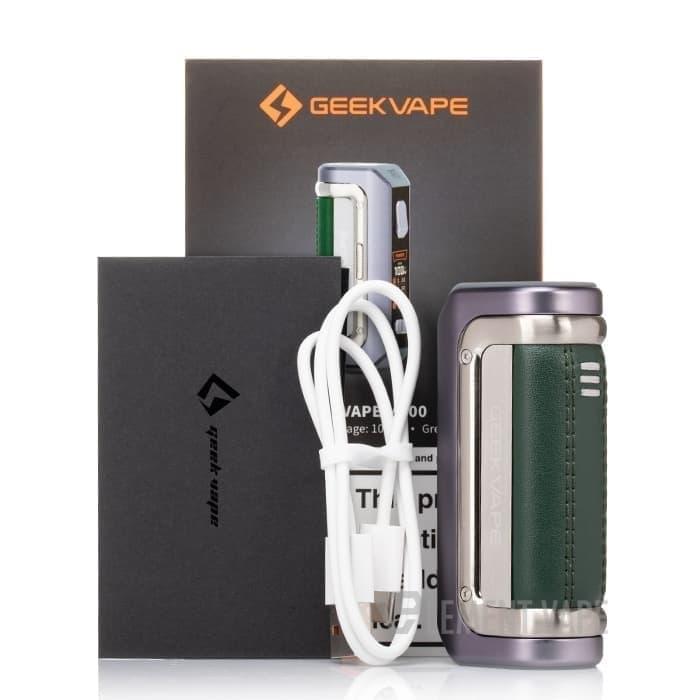
- Device selection policy: Prioritize devices with reputable quality control records and clear replacement part availability. Provide customers with guidance on wattage limits for specific coils and on recognizing dry hits.
- In-store education: Train staff to explain how formation of harmful byproducts is influenced by temperature and product composition. Use in-store signage and handouts that summarize safe usage recommendations.
- Reject low-cost unknown imports: Ultra-cheap cartridges and DIY nicotine salts without traceability are risky inventory. Turn down products lacking provenance.
How to evaluate product claims and certificates
Not all lab results are equivalent. Learn to read a COA critically: identify the testing laboratory (ISO or GLP accredited labs are preferable), check the date of analysis, confirm the batch number matches the product you receive, and ensure that the testing scope includes the specific analytes of concern (e.g., formaldehyde, acetaldehyde, diacetyl, TSNAs, heavy metals). If a certificate reports “non-detect” for a contaminant, ask for detection limits. Transparent suppliers will supply raw chromatograms on request.
Balancing harm reduction messaging with regulatory realities
Customers come to your counter with different motivations: quitting combustible tobacco, nicotine maintenance, or flavor enjoyment. Your role is to present informed options while avoiding unverified health claims. Effective communication emphasizes risk reduction rather than risk elimination. For many adult smokers, switching to nicotine delivery systems with verified low levels of undesirable contaminants offers a harm reduction pathway, but each product choice must be informed by product quality and correct use.
Scripted counseling examples for counter staff
Equip staff with concise and accurate language they can use in quick consultations:
- “We recommend products from manufacturers that publish third-party testing; those results help confirm lower levels of carbonyls and metals.”
- “Using the device within recommended wattage limits and changing coils regularly reduces the chance of overheating and forming harmful byproducts.”
- “If you’re switching from cigarettes, choose a nicotine concentration and device type designed for dependence management, and consider discussing options with your healthcare provider.”
Inventory curation: product categories to prioritize
Not all e‑liquids and devices are equal. Your curated inventory should reflect both consumer demand and safety profiles:
- Certified, lab-tested nic salt pod systems: Favor closed systems with transparent testing that target adult smokers wanting a cigarette-like experience at lower exposure risk when devices are used properly.
- Quality sub-ohm systems with clear wattage guidance: For experienced vapers, recommend reputable brands and supply compatible coils and maintenance instructions to avoid overheating.
- Flavor concentrates from verified suppliers: Choose flavor manufacturers who post full ingredient disclosures and test for diketones like diacetyl.
- Accessories and maintenance parts: Stock genuine coils, spare wicking material, and batteries from trusted vendors to prevent hardware-induced contamination.
Staff training modules and customer-facing materials
Regular training reduces inconsistent messaging. Core training topics should include:
- Basics of aerosol chemistry and factors increasing formation of e cigarette cancer causing chemicals
 such as carbonyls and TSNAs.
 - How to read and interpret COAs and lab reports.
- Safe device operation and troubleshooting common hardware issues.
- Local regulations and age verification compliance.
Customer-facing materials can be simple, readable one-pagers that explain why some chemicals are of concern, how product quality affects exposure, and what customers can do to reduce risk.
Legal and compliance considerations for retailers
Depending on jurisdiction, retail stores must meet age-verification laws, product registration rules, packaging and marketing restrictions, and sometimes ingredient reporting obligations. Staying compliant reduces legal risk and elevates your store’s reputation. Maintain records of product invoices, COAs, and staff training logs to demonstrate due diligence during inspections.
Engaging customers: transparent risk communication
Articulate a clear store policy on how you handle safety questions. Transparency builds trust. Useful practices include:
- Display a vendor list and testing policy for customers who ask about product safety.
- Offer short consultations by appointment for customers with health concerns or those switching from cigarettes.
- Provide disclaimers that, while certain products can reduce exposure compared to smoking, no inhaled product is entirely risk-free.
Case studies and decision trees
Applying a decision framework helps make purchasing and stocking choices consistent. Example decision tree steps:
- Does the product manufacturer provide batch-specific COAs from accredited labs? If no, do not stock.
- Do COAs test for the critical analytes (carbonyls, TSNAs, metals, diketones)? If yes, check reported levels against industry benchmarks; if levels are elevated, contact supplier or reject.
- Is the device architecture associated with overheating risks (poor wicking, unclear wattage ranges)? If yes, provide clear warnings or avoid selling to novice customers.
Practical store policies to implement this week
Quick wins to improve safety profile and customer trust include:
- Adopt a written supplier vetting checklist.
- Train employees to ask customers about their prior smoking history to better match devices and nicotine strengths.
- Introduce a visible “tested products” shelf of items with clear lab documentation.
- Offer coil disposal and battery safety instructions to reduce hardware-related hazards.
Why highlighting “vape shop” practices matters in your marketing
Search engines and local customers reward transparency and expertise. When your store pages and product descriptions include relevant phrases—such as vape shop policies, third-party testing, and safety-oriented product selection—and when you use those phrases in headings, meta descriptions (handled outside this content block by site templates) and on-page text, you increase discoverability for consumers actively seeking safer options. Place phrases like e cigarette cancer causing chemicals within informative headings and paragraphs to answer common queries while avoiding alarmist tone; accurate, balanced content improves SEO and customer retention.
Content blueprint for your site
Build resource pages that cover: common contaminants, how to read lab reports, frequently asked safety questions, and your store’s supplier vetting process. Use structured headings (
,
) and embed the targeted phrases such as vape shop and e cigarette cancer causing chemicals in natural contexts like “A responsible vape shop explains how to limit exposure to e cigarette cancer causing chemicals.” This not only helps customers but also improves search relevance.
Communicating with local healthcare providers and community groups
Communicating with local healthcare providers and community groups
Proactive outreach to clinicians and cessation programs can be mutually beneficial. Offer education sessions that focus on product quality distinctions and how device malfunction or misuse can increase formation of harmful compounds. Clarify that while certain nicotine delivery systems may support smoking cessation, evidence about long-term inhalation risks continues to develop and products should be chosen carefully.
Responding to customer safety concerns and product incidents
Have a clear incident protocol: collect product batch numbers, maintain purchase records, quarantine suspect inventory, notify supplier, and—if required—report to regulatory authorities. Transparent follow-up builds credibility and minimizes litigation risk.
Long-term trends and what to watch
Anticipate future shifts that affect product safety: improved analytical methods detecting lower contaminant levels; tighter regulatory thresholds for specific compounds; greater consumer demand for lab-backed transparency; and innovation in device materials that reduce metal emissions. Being an informed retailer means staying current with published studies, regulator announcements, and industry testing standards.
Summary: key priorities for every responsible retail operator
In brief, prioritize supplier transparency, insist on third-party testing that addresses carbonyls, TSNAs, diketones and metals, choose devices with predictable temperature control and robust material quality, and train staff to provide accurate, non-misleading guidance. Promote products that carry credible documentation and educate customers on user behaviors that reduce formation of harmful byproducts. These measures protect customers, reduce store liability, and strengthen your brand as a trusted vape shop that takes the health implications of e cigarette cancer causing chemicals seriously.
Tools and resources
Maintain a folder (digital and physical) with COAs, supplier contact data, and testing lab accreditations. Subscribe to authoritative updates from public health agencies and independent labs that publish aerosol chemistry studies. Consider partnering with a local university or accredited analytical lab for periodic spot-testing of inventory.
Final recommendations and immediate next steps
Make a plan: this month audit your top 10 SKUs for available lab documentation, designate a staff member responsible for supplier verification, create a one-page customer handout explaining how device use affects formation of undesired chemicals, and schedule quarterly supplier reviews. By embedding safety into operations you’ll create lasting trust and align your business with evolving public expectations.
Frequently Asked Questions
- Q: How common are carcinogenic compounds in commercial e‑liquids?
- A: Trace levels of certain harmful compounds can be detected under some conditions, but prevalence varies widely by product quality, device use, and testing methods. High-quality manufacturers and responsible device use reduce risk.
- Q: Can a retail store test products itself?
- A: In-house screening for basic contaminants is limited; partner with accredited labs for reliable, legally defensible analyses. Use lab partnerships to validate supplier claims.
- Q: What should we tell customers worried about cancer risks?
- A: Provide balanced information: explain that some compounds of concern can be produced under overheating or with contaminated ingredients, recommend verified products, and encourage cessation with medical support when appropriate.
- Q: Are disposable unknown-brand cartridges more risky?
- A: Unbranded or very low-cost cartridges often lack traceability and testing; avoid stocking them and advise customers about the benefits of documented products.